KYOTO, JAPAN · A JAPANESE PERSPECTIVE
Visitor information checked on 4 November 2026.
This guide brings a Japanese perspective to planning a visit, with the temple’s Japanese-language visitor information explained in English. You’ll find the 2026 opening dates and booking rules, plus a candid look at who is likely to enjoy Rurikoin—and who might prefer another Kyoto stop.
Rurikoin at a glance
- Where
- Yase, northeastern Kyoto, near Mount Hiei.Nearest station: Yase-Hieizanguchi, Eizan Railway.
- Adult admission
- ¥2,000Cash payment. Student and child fees are explained below.
- Time inside
- About 30–60 minutesA planning estimate, not an official visit limit. Add travel and waiting.
- Reservations
- Required 13 Nov–6 Dec 2026Walk-in admission on the other dates within the autumn opening.
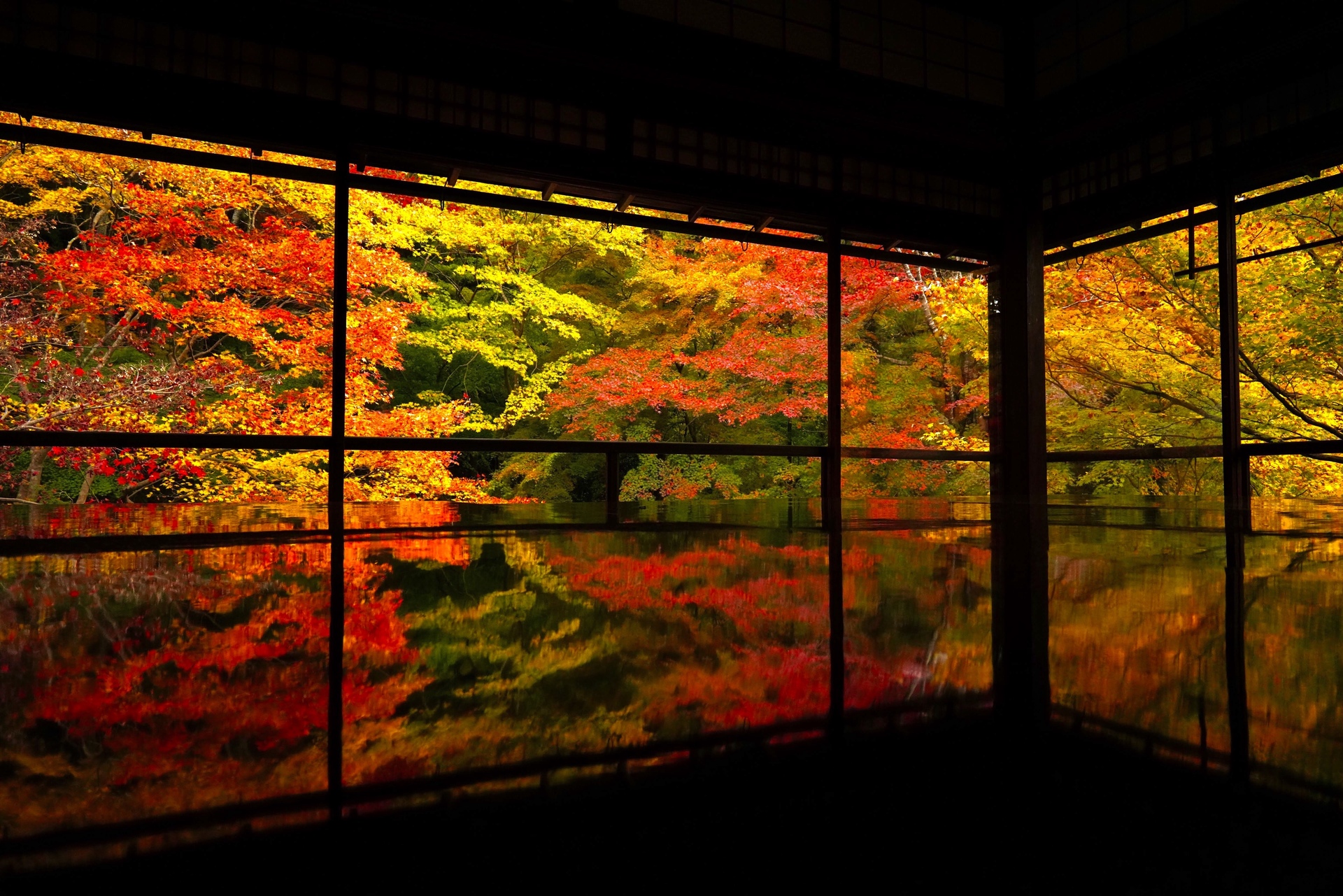
The main draw is the view of maple leaves reflected in the polished table upstairs in the shoin, the traditional study hall, along with the moss-covered gardens.
2026 reservations and opening hours
CHECK YOUR DATE BEFORE TRAVELING
Check the official opening and reservation notice
Reservations do not guarantee peak foliage. Dates and reception arrangements should be rechecked before you travel.
Five things that can make Rurikoin disappointing
01 You cannot always visit on impulse
Seeing a beautiful photograph and deciding to go the next day is not enough during the reservation-only period. Check your date before traveling to Yase, and make sure you have the required reservation.
For autumn 2026, you need a reservation from 13 November to 6 December. As of 4 November, the official homepage links to a second round of reservations.
The earlier postcard lottery was the first round, and its deadline has passed. If an older booking guide still sends you to that lottery, use the temple’s current link instead.
The official sources list two sets of hours:
- Standard hours on the homepage: 10 a.m.–5 p.m., last admission 4:30 p.m.
- Reservation-period hours in the 2026 reservation PDF: 9 a.m.–6 p.m., last admission 5:30 p.m.
The homepage does not explain the reservation-period exception. For a reserved visit, follow your confirmed reception time and the latest official instructions; do not assume that either general schedule overrides your booking.
A reservation also cannot guarantee that the leaves will be at their best on your chosen day. Seasonal color depends on the weather.
02 The famous photo does not show you the whole visit
A carefully framed image gives you the view without the people around it. It does not tell you how busy the room will be or how long you might need to wait for a photograph.
If a quiet, unhurried atmosphere matters most to you, be cautious about expecting it during a popular foliage season. Give the visit room in your schedule, with no time-sensitive booking immediately afterward.
A queue estimate from an old review is a poor basis for a tight timetable. A reservation also does not mean you will have the room to yourself.
The reflection is the reason many people come. Enjoying it may require patience and sharing the view.
03 Yase takes some planning to fit into a Kyoto itinerary
Rurikoin is in Yase, away from the sightseeing areas around Kyoto Station, Kiyomizudera and Arashiyama. Look at the journey from your actual starting point before treating it as a quick extra stop.
A straightforward rail route is via Demachiyanagi Station. From there, take an Eizan Railway train bound for Yase-Hieizanguchi.
- Train from Demachiyanagi: approximately 14 minutes.
- Walk from Yase-Hieizanguchi: about 12 minutes to the temple.
These timings come from the official access guide. Add the journey to Demachiyanagi and any time spent waiting for connections.
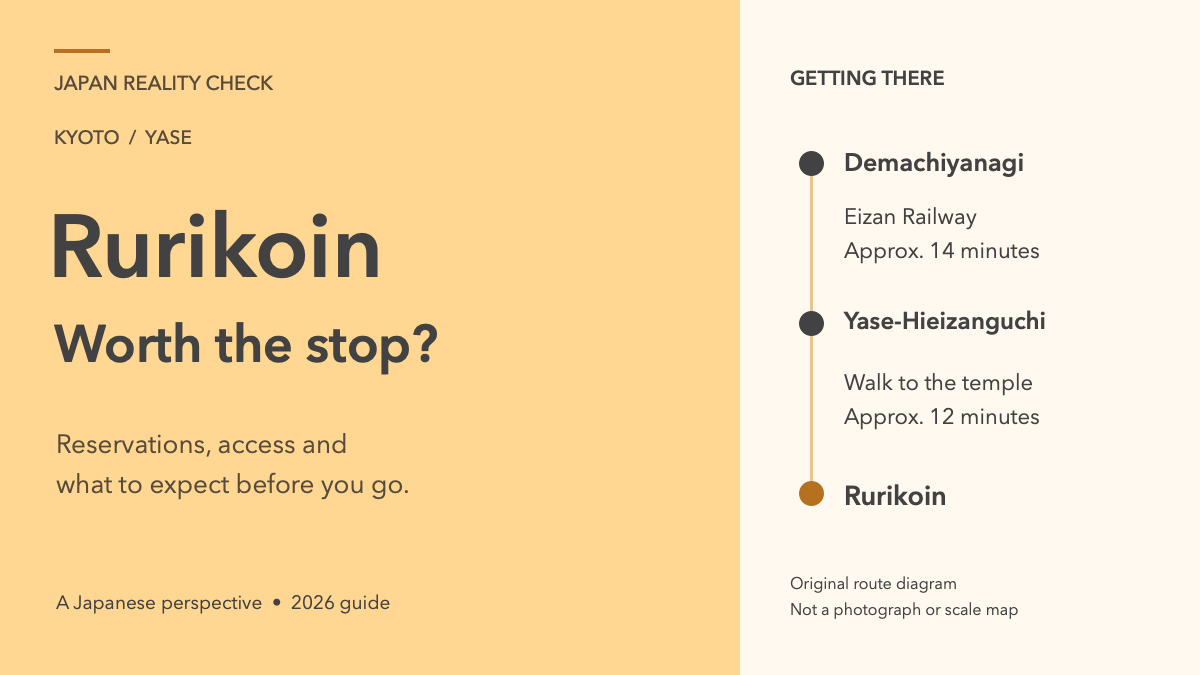
Check the destination when boarding: you want Yase-Hieizanguchi, not a train continuing toward Kurama. Rurikoin has no visitor parking, so plan to use public transport.
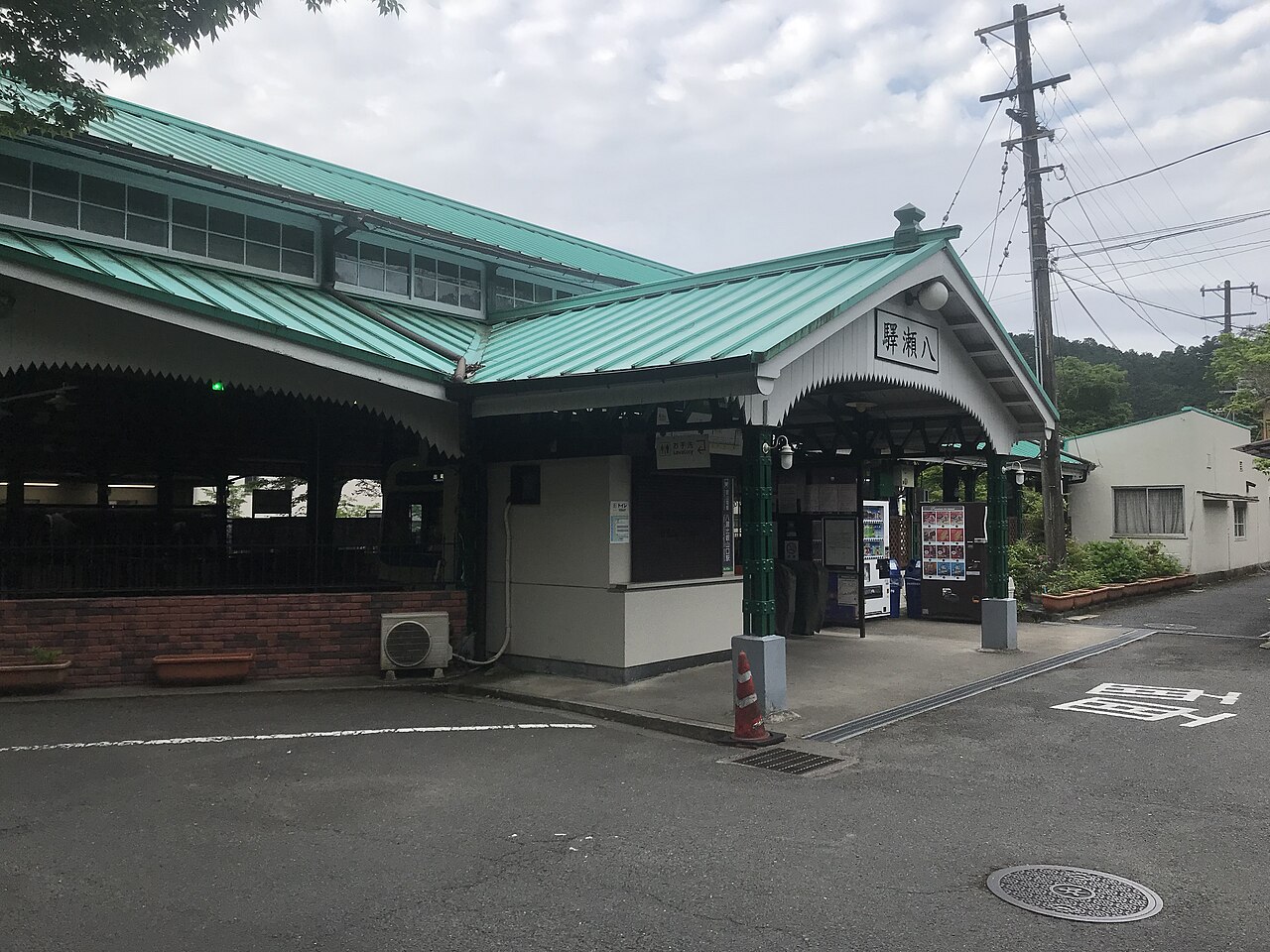

A focused visit to Yase is easier to plan than a day that sends you repeatedly across Kyoto. If your stay is very short, the travel time may matter more than the time you spend inside.
04 The admission fee needs to fit your priorities
At ¥2,000 per adult, this is a visit worth choosing deliberately, especially if several people in your group are paying admission.
If the reflection and gardens are a priority, the fee may feel worthwhile. If you mainly want a quick look before the next attraction, it may feel expensive.
Think about how you want to spend your time there. The photograph is only one part of deciding whether the visit suits you.
The official admission page gives these family and student rates:
- Junior and senior high school students: ¥1,000, with student identification.
- Elementary-school-age and younger children: one child enters free with each adult; additional children in that age group cost ¥1,000 each.
Admission is paid in cash.
05 It may not be the kind of temple visit you expect
Rurikoin is about gardens and sukiya-style architecture, a style associated with the Japanese tea tradition. It is a different kind of visit from exploring a large temple complex with monumental halls or an extensive exhibition about Kyoto’s history.
That does not mean the place has no history. Kyoto City’s architectural account places the development of the buildings and gardens in the late Taisho and early Showa periods.
The temple’s official introduction also describes an Amida Buddha image believed to date from the Muromachi period.
Choose Rurikoin for garden views, architecture and seasonal scenery. If your main goal is a detailed introduction to Kyoto’s long religious history, give other stops priority.
Who is most likely to enjoy Rurikoin
A good fit if…
- You specifically want to see the reflected maple leaves rather than simply add another temple to your list.
- You enjoy looking closely at gardens and traditional interiors.
- You are comfortable planning around seasonal openings and reservation rules.
- You can give Yase enough time without rushing between distant attractions.
Consider another stop if…
- Your Kyoto itinerary is already full and the journey would displace something you care about more.
- Your main priority is low-cost sightseeing.
- You need a reliably quiet setting or a guaranteed crowd-free photograph.
- You expect a large attraction with lots of activities for the admission price.
The question is whether this particular view deserves a place in your trip.
How to make the most of your visit
Choose the season for the scenery you want
For the red, orange and yellow leaves seen in many of Rurikoin’s best-known photographs, look at an autumn visit.
The Kyoto City Tourism Association’s foliage guide gives late November to early December as the usual peak. Treat that as a seasonal guide, not a promise for your travel dates.
Fresh green maple leaves offer a different version of the same reflection. If green is the scene you prefer, consider a spring opening instead. Do not choose spring solely on the assumption that it will be empty.
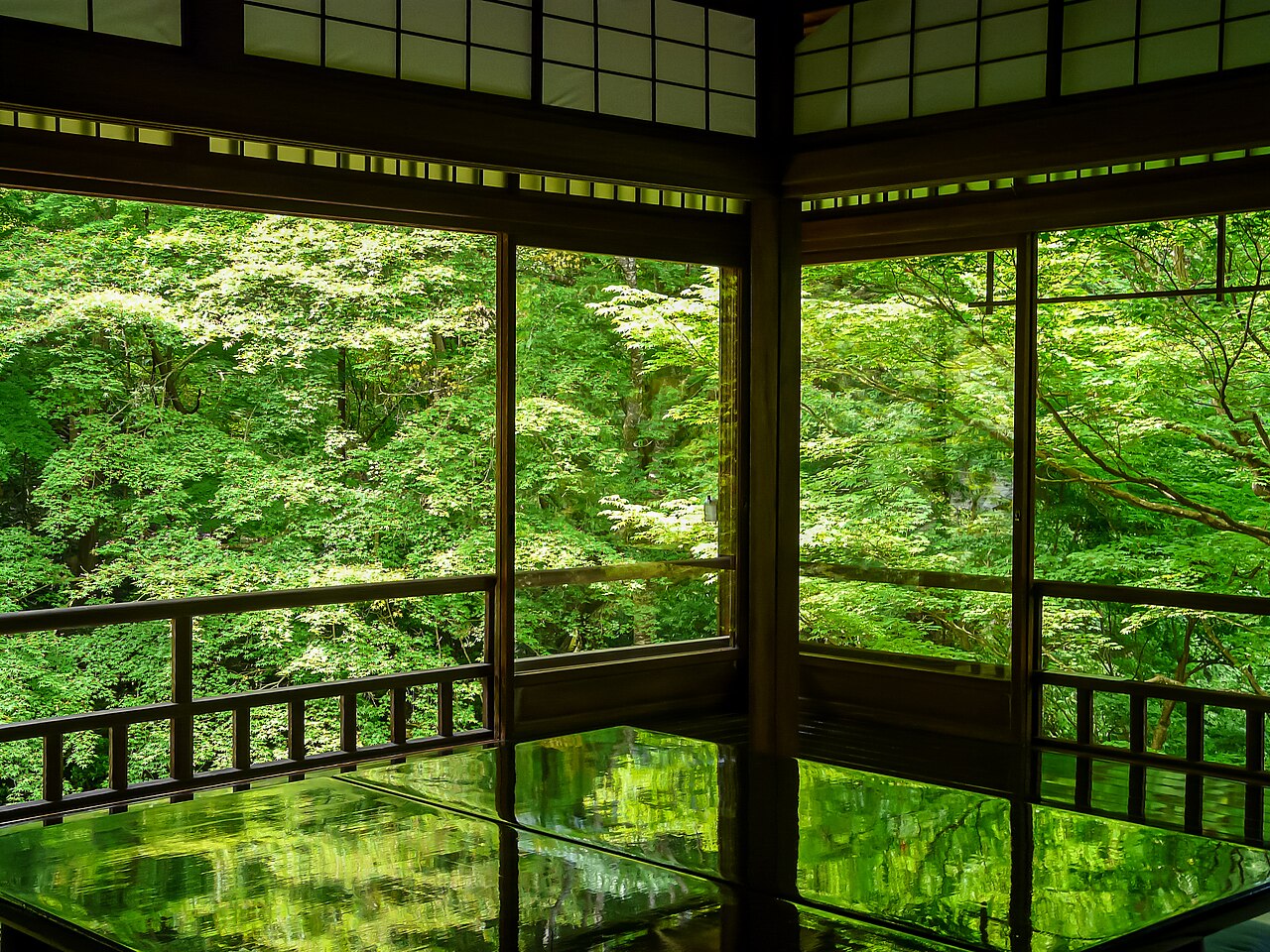

These photographs were taken in different years and show seasonal examples, not a forecast for your visit. The image licenses apply to the credited photographs and their display crops, not to this article’s text.
For reference, the official 2026 openings were 15 April–31 May for spring and 1 July–17 August for summer. Both periods have passed.
Planning a later year? Check the seasonal admission page; the same dates may not be repeated.
Look beyond the reflection
Take your photograph, but leave time to look at the gardens directly as well. The temple's main garden, Ruri no Niwa, is covered in moss, with a stream running through it. The views from the shoin are part of the experience even when you put your camera away.
The official grounds introduction also describes the Sanroji and Garyo gardens. Looking at the different views makes more sense than treating the whole visit as a queue for one image.
Keep your plans nearby and realistic
For a short extra stop, the Louis Icart Museum is about two minutes on foot from Rurikoin’s gate, toward the station.
Its opening is tied to Rurikoin’s special opening periods. Check the current arrangements before building it into your day.
Mount Hiei is another possible direction for a longer day, but it requires its own transport planning. Check operating dates, connections and the last return service before adding a mountain excursion. A nearby place on a map is not necessarily a quick stop between appointments.
Follow the photography rules
The temple prohibits tripods and monopods, organized photo sessions and unauthorized commercial photography. See the visitor rules before bringing equipment.
Share space, follow staff instructions and avoid blocking other visitors while composing a shot. The aim is to enjoy the view without making it harder for someone else to do the same.
Practical questions before you go
How long should you allow?
Allow roughly 30–60 minutes inside, plus travel and any waiting. Add more time for photography if you want it.
This is a planning estimate, not an official minimum or maximum. Follow any time limit stated in your reservation or given on the day.
Can you visit without a reservation?
Yes, when walk-in admission is permitted. For autumn 2026, that means 1 October–12 November and 7–13 December.
You need a reservation from 13 November to 6 December. Outside an announced opening period, you cannot enter the grounds.
Is it worth visiting in the rain?
Rain can work for a visit focused on the gardens. Wet foliage has a different look, and the main reflection is viewed from inside.
You will still need to walk outdoors to reach the temple. Wear suitable footwear and check for weather-related closure notices. The light and colors may differ from the photograph that first caught your attention.
Can you bring children?
Consider whether they enjoy gardens or photography. It is less suited to children who want space to run around or hands-on activities.
Think about their patience with waiting, too. Check the child admission rules above when working out the cost for your family.
Is Rurikoin wheelchair accessible?
The temple says wheelchair visits are not possible because of the stairs. Its official FAQ says walking sticks are permitted.
If stairs are difficult for someone in your group, ask the temple about the practical arrangements before making the journey.
Does a daytime ticket include an evening illumination?
Do not assume that a daytime ticket covers an evening visit. The official FAQ directs evening-visit inquiries to JR Tokai Tours; the temple does not organize those visits itself.
If an evening visit is your goal, check that event’s separate details and booking conditions.
Should you put Rurikoin on your Kyoto itinerary?
If seeing the maple reflection is a priority, Rurikoin can be a worthwhile choice. Go with a clear idea of what you are paying for, check the current reservation rules and give yourself enough time to reach Yase.
If you are short on time, focused on budget sightseeing or hoping for a large historic complex, you can reasonably leave it for another trip. A beautiful photograph is a good reason to become interested in a place. Your own priorities should decide whether you visit.
Before you go, check the official Rurikoin website for the latest opening dates and reservation instructions.
Comments